

How Clean Earth Project diverts pineapple waste into powerful, chemical-free cleaning solutions for Filipino homes
Two Filipina founders are reimagining waste by using eco-enzyme technology that transforms discarded pineapple peels into powerful cleaning solutions 🍍

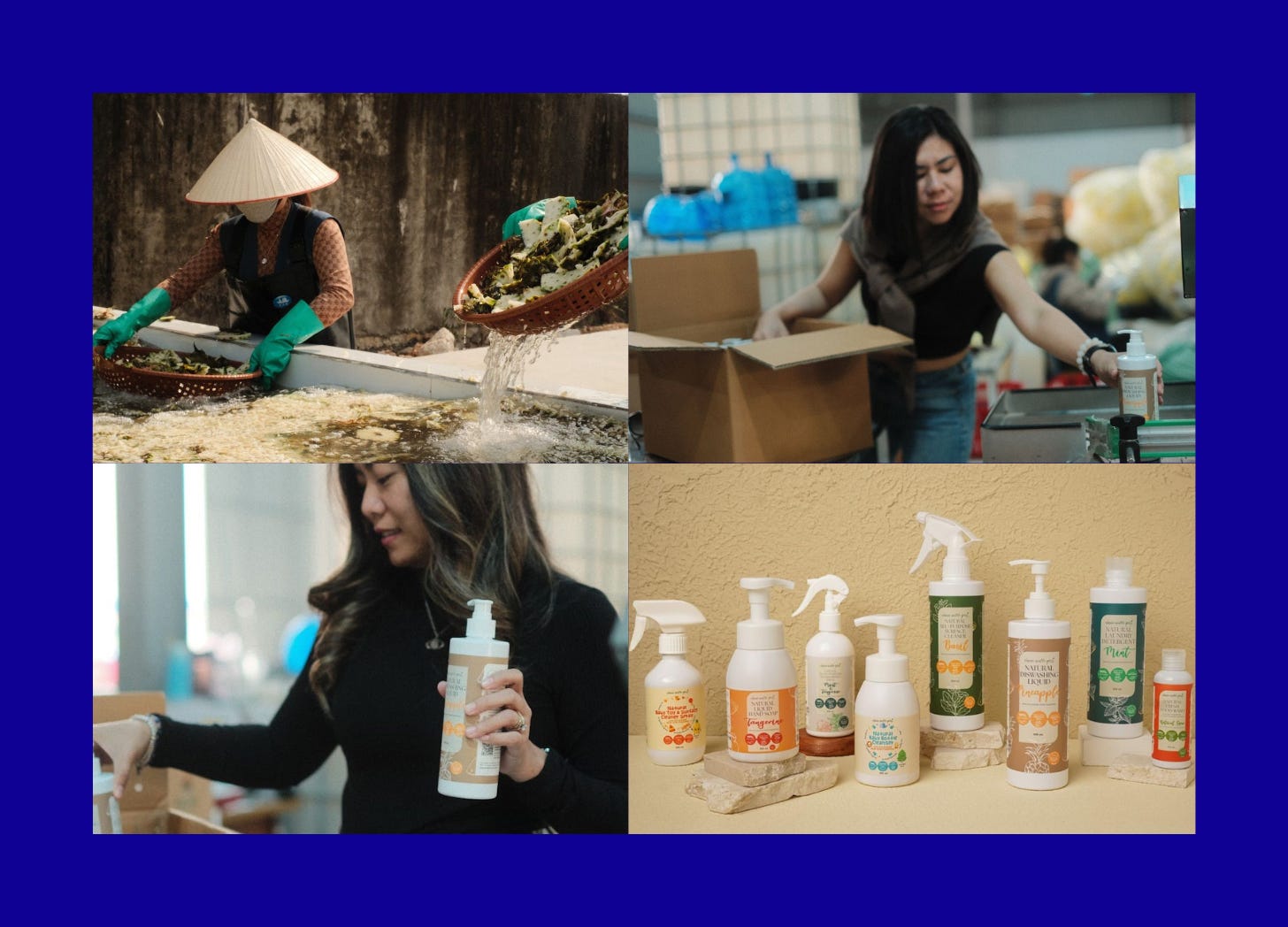

“If there’s a chance to create positive change through what we offer, why not take it?”
When two Filipinas, Czarina “Sunny” Anne Regino and Charlotte “Chi” Türk, founded the Clean Earth Project (CEP) in 2019 with a focus on retail reusables, they started a humble venture that would unknowingly evolve into an innovative cleaning brand.
Relaunched in March 2025, CEP is now a B2B sustainable gifting business with a new line of home cleaning products made from an overlooked resource: pineapple waste.
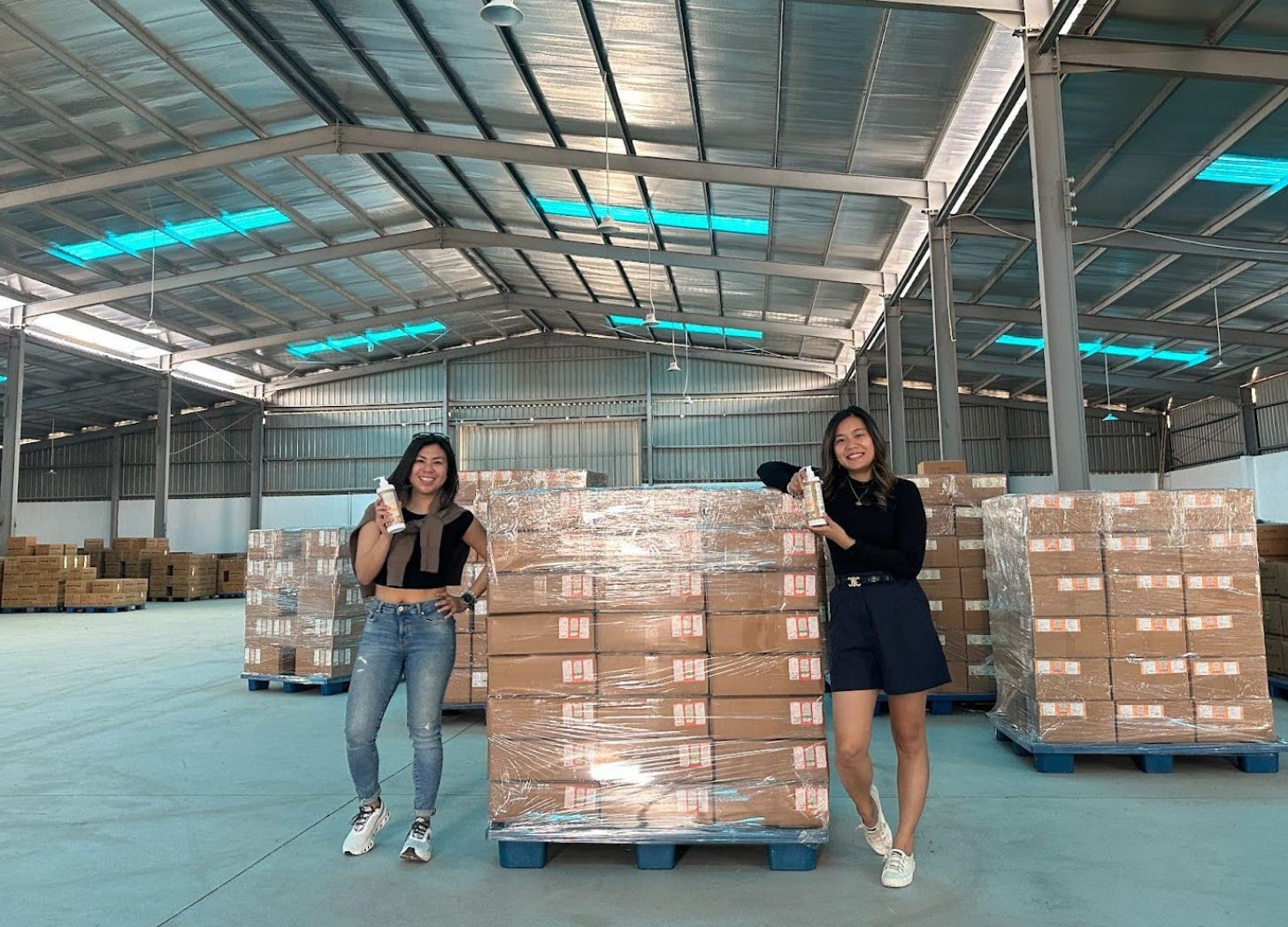
“Chi has always been passionate about climate change and how to educate people about it,” Sunny shares fondly about her business partner who not only works in climate finance but is also a mother to a daughter.
“Meanwhile, I’ve always been drawn to marketing and how products can shape consumer behavior,” says Sunny, who has over 15 years of experience in FMCG and is well-versed in how consumer products could influence habits.
This merge of diverse backgrounds birthed a product line that not only serves to clean homes efficiently, but is also driven by care for the environment with its circular process of keeping discarded natural waste in the loop.
“If there’s a chance to create positive change through what we offer, why not take it?” Sunny says.
I. Anchoring circularity in simple daily actions
While the concept of a circular economy can sound technical or abstract to those who aren’t familiar with economic or sustainability principles, CEP’s approach in communicating it is simple: make it visible and practical.
“The way we communicate [circularity] is simple: it’s about keeping resources in use instead of wasting them,” Chi explains. “Pineapple peels become eco-enzyme cleaners, which transform waste into something useful.”
“When we break it down like this, the circular economy turns into small lifestyle choices that feel easy and natural. Most of our customers don’t even realize it, but by choosing waste-based products, they’re already part of the circular economy and contributing to fighting climate change,” Chi says.
This down-to-earth storytelling helps clients and consumers alike understand that circularity isn’t a faraway concept that they’re detached from, but a daily practice rooted in mindful actions that can be as simple as deciding which product to purchase.
II. Turning discarded waste into an effective cleaning solution
CEP’s vision goes beyond being another eco brand known for selling only reusable items. It extends to embedding circularity into everyday products and transforming the home care industry through product innovation.
They started small through market testing, an approach that allowed them to build consumer awareness around sustainable cleaning while redefining the home cleaning market.
After extensive research and development¹ , CEP has reduced both chemical and food waste related emissions at scale by converting organic waste such as pineapple peels into high-performing enzyme-based cleaners, offering low-emission alternatives to more wasteful conventional chemical products.
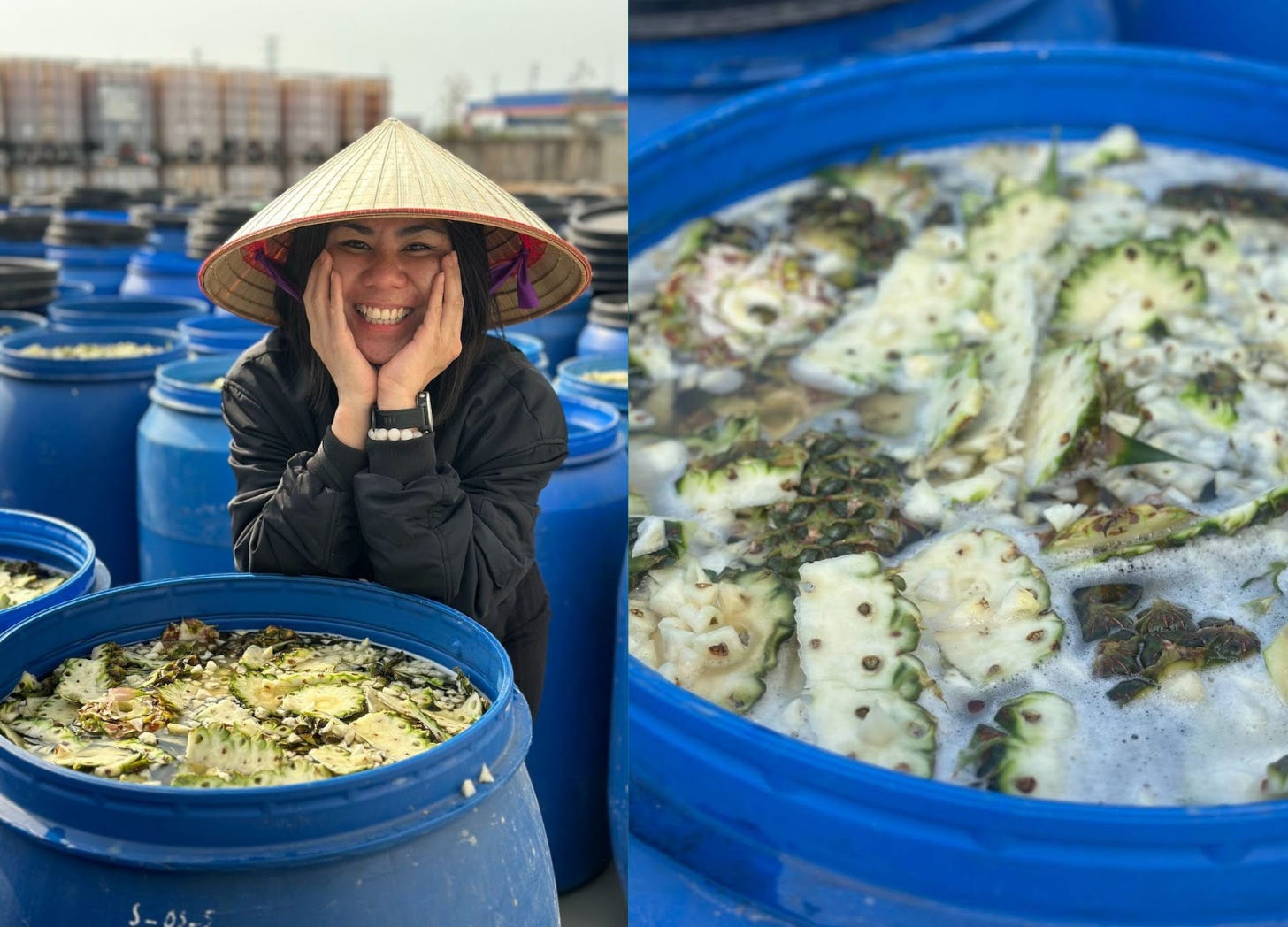
However, transforming pineapple waste into an effective cleaning agent is far from easy.
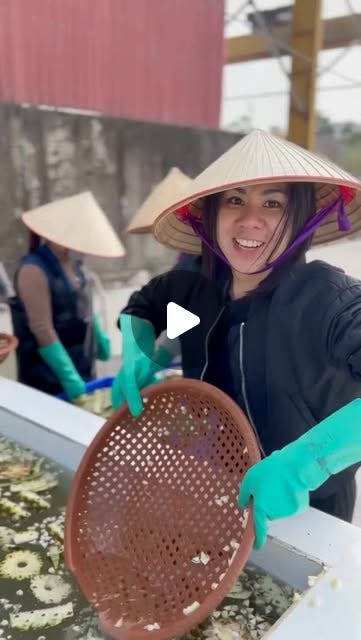
“The biggest challenge wasn’t just the science—it was the process,” Sunny says. “The process is really simple, but no one is interested to do it because the fermentation takes three to six months.”
Each fermentation barrel contains around 24 kilograms of pineapple waste, 14 kilograms of sugar, and 170 liters of water, yielding about 180 liters of fermented liquid and 16 kilograms of solid fertilizer. This fertilizer can enrich 80 to 160 square meters of farmland, while the enzyme-rich liquid becomes the foundation of CEP’s eco-cleaning line.
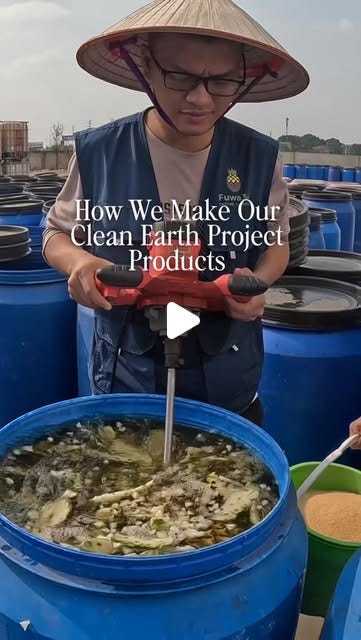
What makes CEP’s technology unique is its ability to utilize naturally occurring enzymes and good bacteria to break down organic waste into effective cleaning agents, without relying on harsh chemicals or high-energy processing.
The result is a cleaning product that is not only effective, but low emission, biodegradable, and safe for both people and the planet.
To prove performance, CEP benchmarks its products against conventional chemical cleaners through lab tests and user trials.
“If we want people to switch, the product has to work as well or better,” Sunny adds. “Our enzyme-based cleaners can reduce chemical use by up to 73% and divert up to 74% of organic waste from landfills.”
The impact speaks for itself. CEP’s eco-enzyme technology has real-world benefits:
Reduces chemical use by up to 73%
Diverts up to 74% of organic waste from landfills
Creates fertilizer as a byproduct
Creates a safer, natural, waste-based cleaning alternative
The team is also working on closing the loop on its packaging and providing incentives for consumers who take the extra step of returning used bottles.
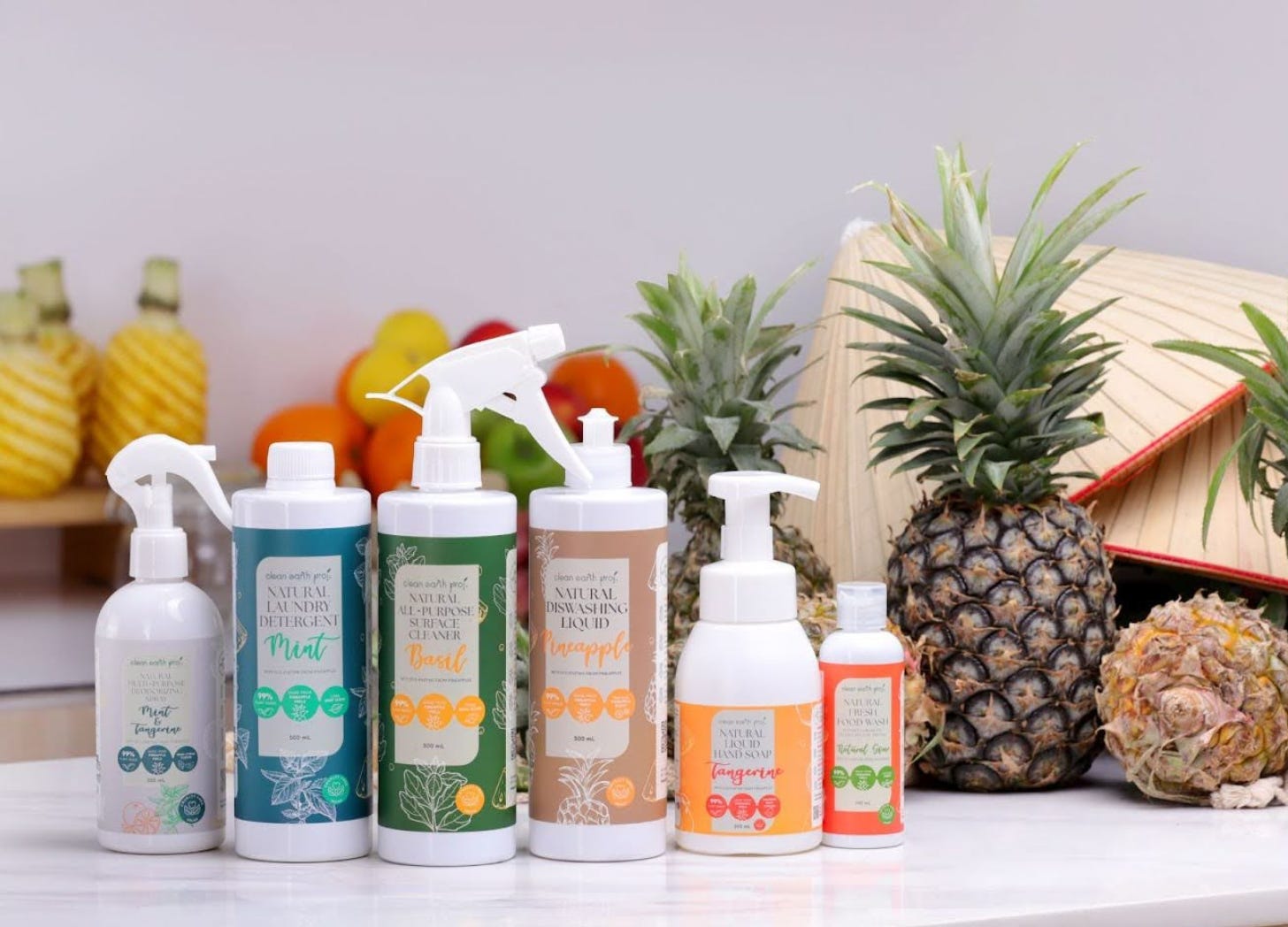
“We even offer a ₱5 rebate for every returned bottle,” Sunny explains the Bottle Rebate Program, which is available in select hubs in Metro Manila, Philippines.
“Those bottles go back into our system for reuse or recycling. It’s our way of closing the loop. The team also plans to launch refill stations nationwide.”
CEP thrives with collaboration, working with eco-stores like Simula Glorietta, Maginhawa Ecostore, and EcoShoppe Caloocan on their bottle-return programs.
They’re also part of the Villgro Philippines portfolio and have access to impact-driven networks and technical mentorship.
III. From marketing to microbes: shifts in perspectives
Recognizing that sustainability must go beyond ‘eco-friendly’ packaging and fluffy marketing slogans, Sunny and Chi stress that true circularity requires addressing the full product lifecycle from raw material sourcing to end user disposal. It also means confronting the issue of chemical waste generated in production.
“The competition is really tough for having chemical brands owning the market. Meanwhile, there are lots of new players that claim that they are ‘sustainable’ as well,” Sunny shares. “We have to be conscious about the whole life cycle of a product, from manufacturing to end user.”
Sunny and Chi are careful to avoid greenwashing and believe that transparency is key.
“For us, ‘natural’ isn’t just about ingredients. It’s about the process,” Chi clarifies. “Some so-called natural products still rely on energy-intensive manufacturing. Our fermentation process is low-energy and low-emission. It’s slower, but more honest.”
Sunny adds, “Credibility doesn’t come from being perfect; it comes from being open.”
Working with enzymes has also given them a fresh perspective on transformation.
“We often think of microbes as something dirty or dangerous. But the truth is, not all bacteria are bad. In fact, good bacteria and enzymes are nature’s quiet workers,” Sunny reflects.
“They break down waste, bring balance, and help life regenerate. That idea has really shaped the way I see transformation and care. What we often label as ‘waste’ or ‘mess’ isn’t the end of the story. With the right environment, the right ‘good bacteria,’ it can actually become the starting point of something powerful.”
IV. A business that thrives on synergy, care, and integrity
The team remains committed to collaborating with stakeholders that share the aligned goal of ensuring high product quality while staying true to circular design principles.
“Because of our advocacy, our experience in finance, and my background in FMCG, we immediately knew what a viable product looks like and how to scale it,” Sunny shares.

“My background in industrial design taught me how to build with intention: how every detail should serve both function and experience. And my years in corporate marketing gave me a clear view of how big brands move: they use strategy, systems, and scale to shape behavior.”
Sunny takes what she’s learned from those worlds and translates it into authentic storytelling for CEP.
“For me, it’s not about shouting the biggest message, it’s about telling the truest one. Our story isn’t manufactured. It’s rooted in pineapple waste, real people, and real impact,” she says.
While Chi already felt fulfilled that her climate finance work and CEP were aligned with her advocacy for sustainability, motherhood has deepened her purpose.
“As a mother, it has become so much more personal. I’m not only thinking about fighting climate change—I’m thinking about my daughter’s future, and what kind of world she will inherit. Every effort I put into the Clean Earth Project will not just benefit my child, but also other mothers and their children.”
V. On scaling responsibly instead of pursuing endless growth, plus tips for purpose-driven founders
“Our dream is to scale responsibly so that more Filipinos can access sustainable home cleaning products,” Sunny explains. “In FMCG, it is all about sales growth. But for us, it’s about growing mindfully and making sure circularity is built into the plan, not treated as an afterthought.”
“I want fellow entrepreneurs to understand this: you can build a profitable business and still make lives and the world better. That’s not just an opportunity. That’s a responsibility,” Sunny says.
For other founders navigating the tension between advocacy and growth, Sunny’s advice is clear: “Build slow, but build strong. You only need to be right once, but it won’t happen without time and effort.”
“Progress can feel painfully slow in a developing market. In Southeast Asia, change may feel slower, but that’s our advantage. It forces us to design solutions that fit our realities, not just follow global trends. Be patient with the how, but stay loud about your why,” Chi says.
“I remind myself why I started: for my advocacy, and for my daughter. That gives me strength. And I feel very lucky to have Sunny. This journey is scary, but having a partner who shares the same purpose makes it easier. We’re scared every day, but we move forward together.”
In a society hungry for speed and scale, Sunny and Chi are choosing something rarer: to build with care, intention, and trust in time.
Circularity isn’t a trend nor a marketing tactic for the Clean Earth Project, but a promise to keep creating value out of waste, one discarded pineapple peel at a time.
🛒 Visit the Clean Earth Project’s official website and Instagram and shop their products on Lazada, Shopee, or TikTok.
💻 Interested in collaborating with the Clean Earth Project? Connect with Sunny and Chi on LinkedIn.
Editor’s Note: This article was made in partnership with the Clean Earth Project.
¹ The brand’s early enzyme research was supported by a technology partnership with Fuwa Biotech under the UNDP circular economy program.
Do you have a business, organisation, or initiative that contributes to a circular economy? Connect with us on LinkedIn to start the conversation on how we can amplify your message and help you thrive!

"In Southeast Asia, change may feel slower, but that’s our advantage. It forces us to design solutions that fit our realities, not just follow global trends."
Insightful 💎 capturing why a deliberate pace actually breeds more sustainable innovation. Building solutions for local context means they actually stick because they're rooted in what people here genuinely need.
If only all cleaning brands showed the same level of care in the ingredients they use in their products! Such a pleasure writing this story, and more power to Clean Earth Project 👏🏼