

Top 12 circular economy startups to watch in Southeast Asia
From turning pineapple leaves into fabrics to creating smart recycling bins, these startups are transforming how we think about waste.

The circular economy market in this region isn't just growing — it's exploding! By 2030, experts predict it'll be worth a whopping US$1.5 trillion.
Why the boom? Well, it turns out that over 53% of Southeast Asian waste goes uncollected each year.
Yikes.
But where others see trash, these startups see treasure.
Today, we're spotlighting the cream of the crop — innovative companies that are turning the tide on waste and resource depletion.
From transforming pineapple leaves into fancy fabrics to creating smart recycling apps, these startups are redefining what's possible.
1. Humble Sustainability 🇵🇭
Active work areas: E-Waste, Smart Recycling
What do they do? Humble Sustainability is a B2B solution for businesses’ e-waste, saving them from landfills while maximising revenue. Besides that, they provide climate data and supports clients' ESG initiatives.
Funding news: $750,000 (Pre-Seed), led by Gobi Partners and ADB.
2. Circlepac 🇲🇾
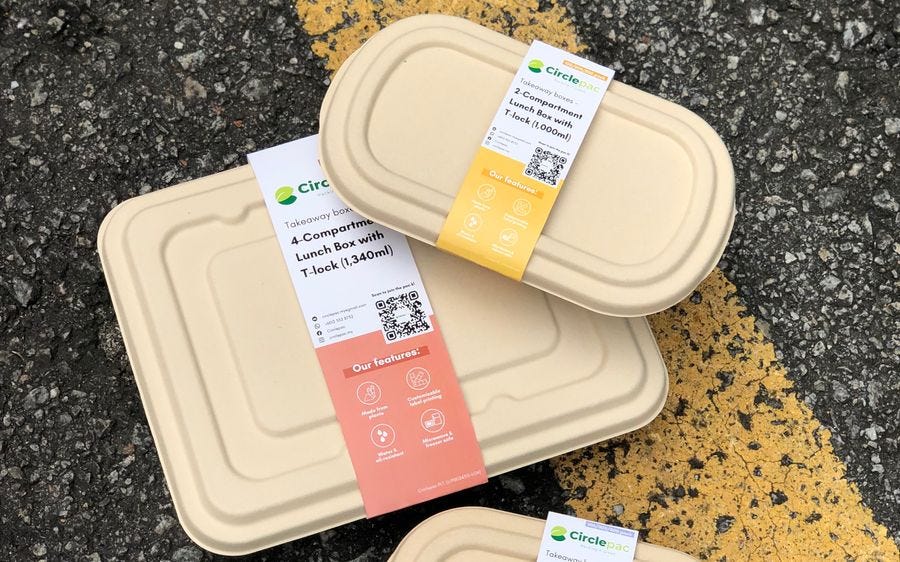
Active work areas: Food & Agriculture, Plastics and Packaging
What do they do? Circlepac is a B2C greentech that creates compostable, plant-based food packaging. They aim to go beyond packaging by providing closed-loop solutions. This includes waste collection and composting facilities. They also focus on educating communities about sustainable consumption.
Funding news: Bootstrapped. “Hit almost a 6-figure revenue" in their 6th month.
3. NoLimbah 🇮🇩
Active work areas: Plastics and Packaging, Smart Recycling
What do they do? NoLimbah is a B2C mobile app connecting modest-income households with informal waste collectors. Users can easily sell their recyclables through the app. Their goal is to reduce ocean waste through collection efficiency starting in Indonesia. It's essentially the Uber for trash.
Funding news: Community crowdfunding. No information on external funding found.
4. Octayne 🇸🇬
Active work areas: Food & Agriculture, Renewable Energy
What do they do? One man’s trash is another’s…energy! Octayne turns farm waste, a rarely used biowaste, into a low-cost, renewable, and sustainable energy source. They see this as an alternative source of renewable energy, especially while solar and wind energy haven’t hit mainstream adoption.
Funding news: $525,000 (Pre-Seed), led by Wavemaker Impact.
5. Fortuna Cools 🇵🇭
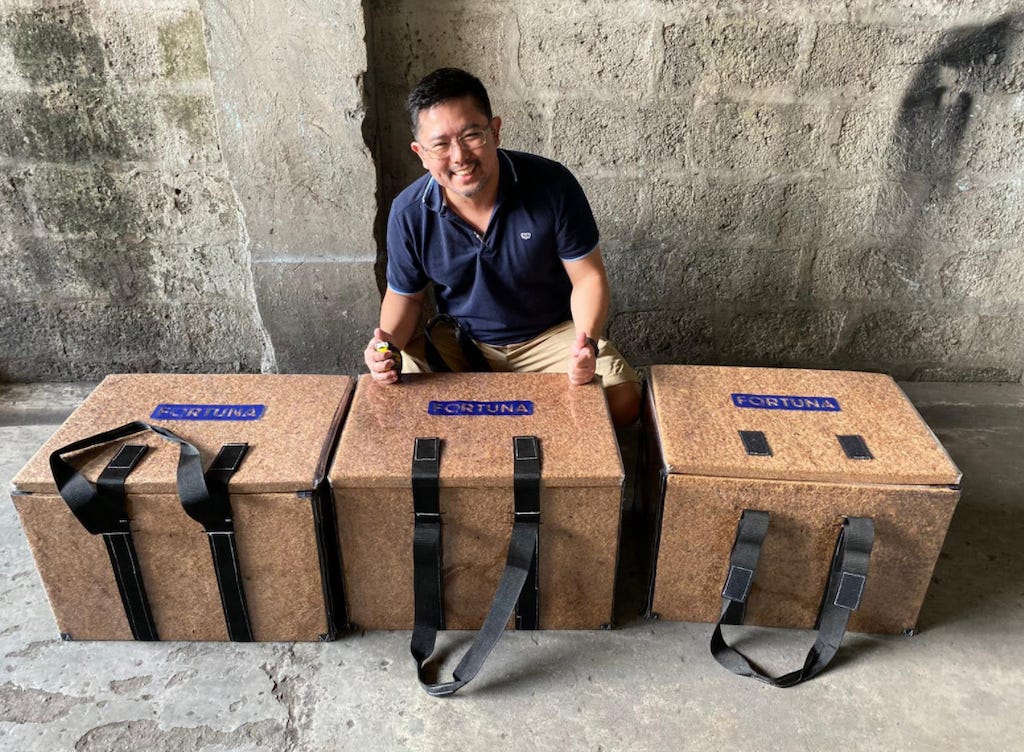
Active work areas: Food & Agriculture, Plastics and Packaging, Product Design
What do they do? Fortuna Cools is a B2B agritech that creates insulated packaging from coconut husk fibers. They repurpose waste from the coconut oil industry. The natural insulation of coconut husks inspired their innovation. Fortuna aims to replace plastic foam in Southeast Asia and the US.
Funding news: Undisclosed amount, (Seed round) led by ADB.
6. Biopac 🇮🇩
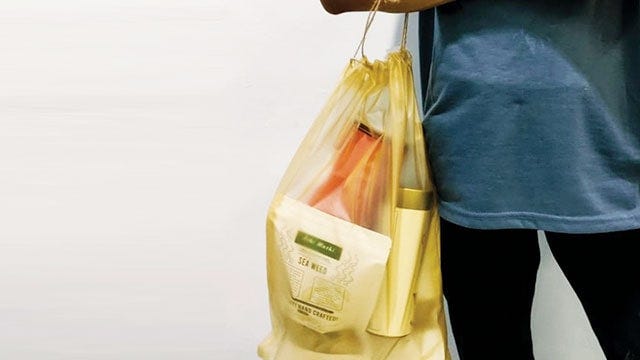
Active work areas: Plastics and Packaging
What do they do? Biopac is a seaweed-based B2B biopackaging producer to replace single-use plastics, focusing on small format packaging. They have a unique process that avoids hazardous chemicals and create fully degradable products. This sets them apart from traditional seaweed processors and bioplastic manufacturers.
Funding news: $110,000 (Seed), grant by MIT Solve.
7. Nuplas Solutions 🇲🇾
Active work areas: Fashion and Textiles, Plastics and Packaging
What do they do? Nuplas Solutions is a subsidiary of Lean Giap Group, a major plastic resin trader in Malaysia. This B2C startup assists various entities in reimagining waste management systems. In 2021, they launched a recycling app to enhance convenience, offer credits, and promote transparency.
Funding news: No external funding — financially supported by the parent company.
8. Tortoise the Label 🇸🇬
Active work areas: Fashion and Textiles, Plastics and Packaging
What do they do? Tortoise The Label is a pioneering B2C sustainable lifestyle brand. They offer affordable, circular wardrobe basics made from 100% organic cotton. The company designs all aspects of their business for reuse and circularity. Their Carrot Credit Recycling System rewards customers for recycling their tops.
Funding news: No information about external funding found.
9. Ecofa 🇻🇳
Active work areas: Fashion and Textile, Food & Agriculture, Product Design
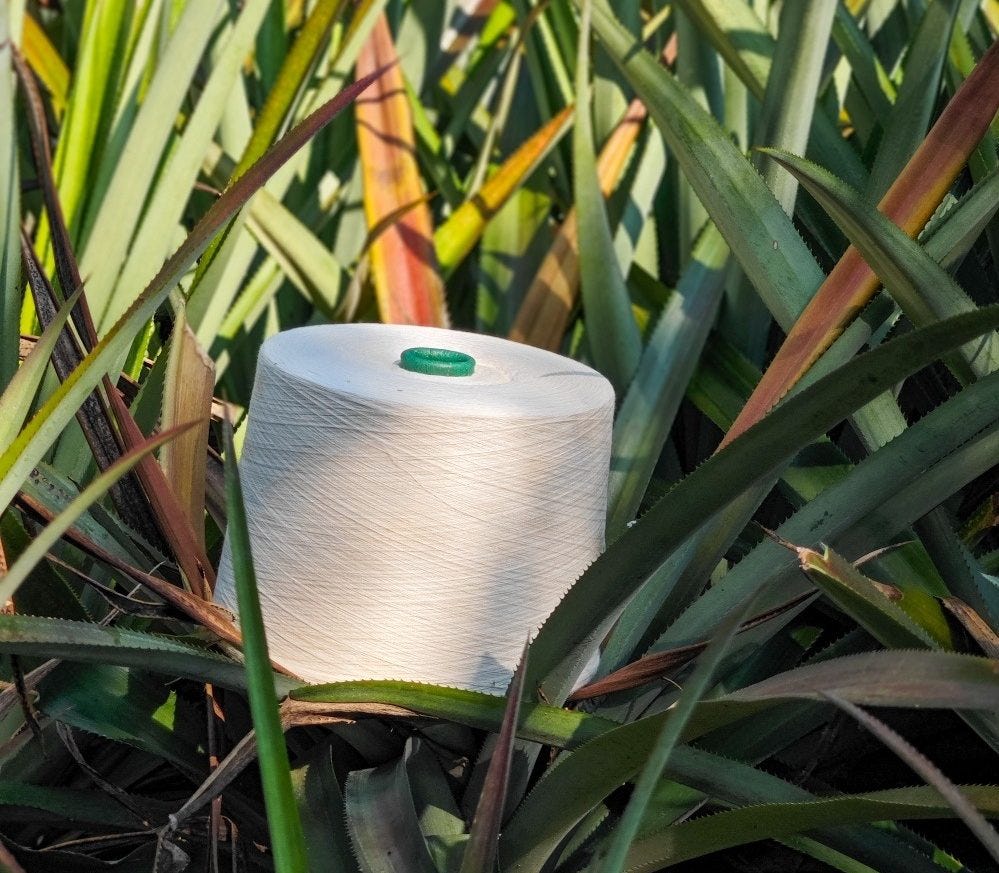
What do they do? ECOFA creates eco-friendly products from agricultural waste, specifically pineapple leaves. They developed a sustainable method to produce high-quality, biodegradable textiles on an industrial scale. This addresses the challenges of traditional fibre production, making pineapple fibre more accessible for large-scale fabric manufacturing.
Funding news: No information about external funding found.
10. Circularity (nornnorn) 🇹🇭
Active work areas: Fashion and Textiles, Finance, Plastics and Packaging
What do they do? Circularity operates nornnorn, a Bangkok-based circular economy platform. They offer subscription-based rentals for premium mattresses and other high-value products. Nornnorn ensures resource efficiency by recycling used products at the end of each subscription period.
Funding news: $28,000 grant from Thailand's Office of National Higher Education, Science, Research and Innovation Policy Council.
11. Buyoplastics 🇻🇳
Active work areas: Food & Agriculture, Plastics and Packaging, Product Design
What do they do? BUYO Bioplastics transforms bio-waste and plant-based materials into fully biodegradable plastics. Their products are 100% nature-based. Applications include packaging and medical uses, offering an alternative to traditional plastics.
Funding news: $750,000 (Seed), led by International Venture Investment Funds.
12. Recyglo 🇲🇲
Active work areas: Food & Agriculture, Smart Recycling
What do they do? RecyGlo is Myanmar's first innovative recycling business. They offer a comprehensive sustainability platform with closed-loop waste management solutions, including recycling and waste awareness training. They convert food and organic waste into fertiliser and handles various waste types, including e-waste.
Funding news: $900,000 (Seed) led by Accelerating Asia.
Key challenges these startups are trying to solve
The circular economy startups in Southeast Asia are addressing three key challenges that are driving innovation in the region:
1. Waste valorisation
Many enterprising companies are finding clever ways to transform waste into valuable resources.
By upcycling materials that would typically end up in landfills, these startups are not only reducing waste but also creating new economic opportunities and sustainable products.
2. Community engagement and behaviour change
Startups like NoLimbah and Nuplas are harnessing the power of community involvement to drive circular practices.
Whether it's connecting waste generators with collectors or gamifying recycling, these companies are sparking grassroots behavioural changes.
This is especially important because waste management infrastructure is lacking and environmental awareness hasn’t mushroomed into the society in Southeast Asia.
3. Closed-loop systems
From compostable packaging with integrated collection services to clothing recycling programs, these startups are taking responsibility for their products beyond the point of sale.
This holistic approach to circularity is setting new standards for sustainable business practices in Southeast Asia.
Which trends are impacting innovation the most?
Circular economy startups are pioneering creative solutions to reduce waste and maximise resource efficiency.
1. Circular packaging
Say goodbye to single-use plastics! These startups are packaging a brighter future:
Transforming agricultural waste into sturdy containers
Creating plastic alternatives
Reusable and returnable packaging
Compostable food containers
Biomaterials for packaging
2. Circular construction
Construction doesn't have to mean destruction. Check out these circular building innovations:
Natural fiber-based insulation materials
New business models: renting buildings? It’s not just for apartments anymore!
Waste-to-construction materials
Sustainable construction marketplaces
3. Smart recycling
Waste management and recycling remain a challenge in Southeast Asia. In Indonesia, for example, 61% of waste generated isn’t collected. These startups are making recycling smarter than ever:
Smart waste collection centres
Mineral recycling technology
Smart waste bins
If you haven’t yet, join the circle by subscribing to our newsletter. Found this issue interesting? Help us widen our circle by sharing our newsletter with your social networks! Comments are appreciated and welcome.