

Women's Month spotlight: Leaders in circularity, books, and podcasts to check out
...plus small yet impactful ways to uplift women every day 💐

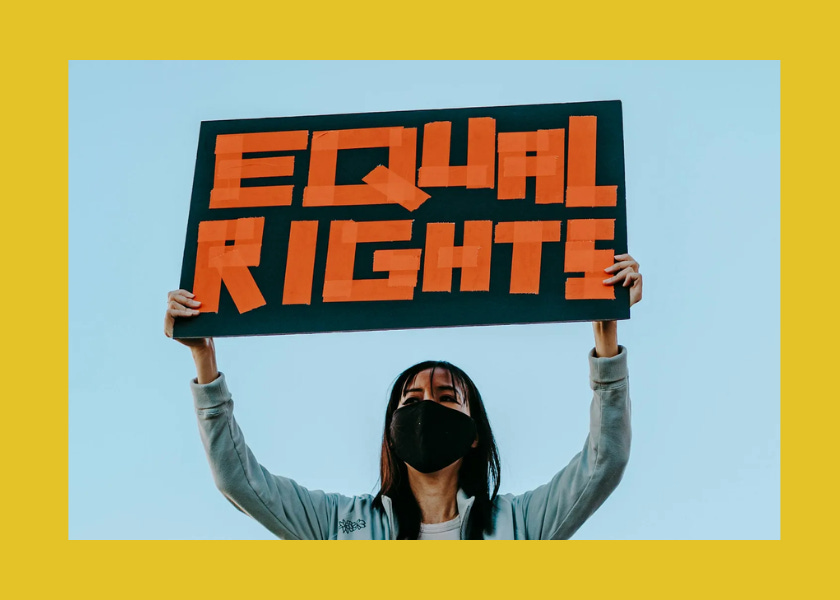
Apart from being a time to reflect on the gender gap in Southeast Asia’s recycling and waste management sector (apart from several other industries), Women’s Month is also about celebrating and spotlighting women-led initiatives that strive to make the world a better — and more circular — place.
But first, a stark yet much-needed reality check:
A recent UN Women report entitled “Women's Rights in Review 30 Years After Beijing”, published ahead of this year’s International Women’s Day on March 8, shows that nearly a quarter of governments worldwide reported a backlash on women’s rights in 2024.
While progress on gender equality has been made over the past centuries, it has clearly not been enough.
“The world today is more equal for women and girls than ever before — but progress is still too slow, too fragile, and too uneven.
Every 10 minutes, a woman is murdered by someone in her own family. Women's representation in the labour force has remained unchanged for decades.
Women and girls contribute the least to climate change and yet suffer the worst consequences. And at this pace, a girl born today will be 40 years old before women hold as many seats in parliament as men.”
Source: UN Women, February 25, 2025
The fight for equal rights, respect, and representation is far from over.
From being fairly represented in leadership roles and having autonomy in every aspect of our lives to breaking free from reductive stereotypes and cultural norms, women have been caged from experiencing privileges that have been served to men on a silver platter.
Now, more than ever, we must continue resisting and mobilizing against the systematic subordination of women, which fuels the extractive, exploitative, and violent systems responsible for many of today’s ills and injustices.
This begs the question: What can you do to uplift women?
Regardless of your gender, here are simple ways you can help close the gap:
📣 Give space to and amplify women’s work, voices, and ideas—with credit.
💰 Be transparent about your salary.
🗣️ Allow women to share their truth and experiences. Listen actively and reflect on how you can make the world a safer and better place for them.
🪻 Support women-owned businesses. See Good On You’s List of 29 Women-Owned Brands Making Waves in Ethical Fashion.
🧠 Read, listen to, and watch more women in media.
💬 Stop putting women on a pedestal—such as expecting them to live up to such high standards, whether it be for their behavior, achievements, familial relations, or appearance, while the same level of brilliance and excellence is not expected from men.
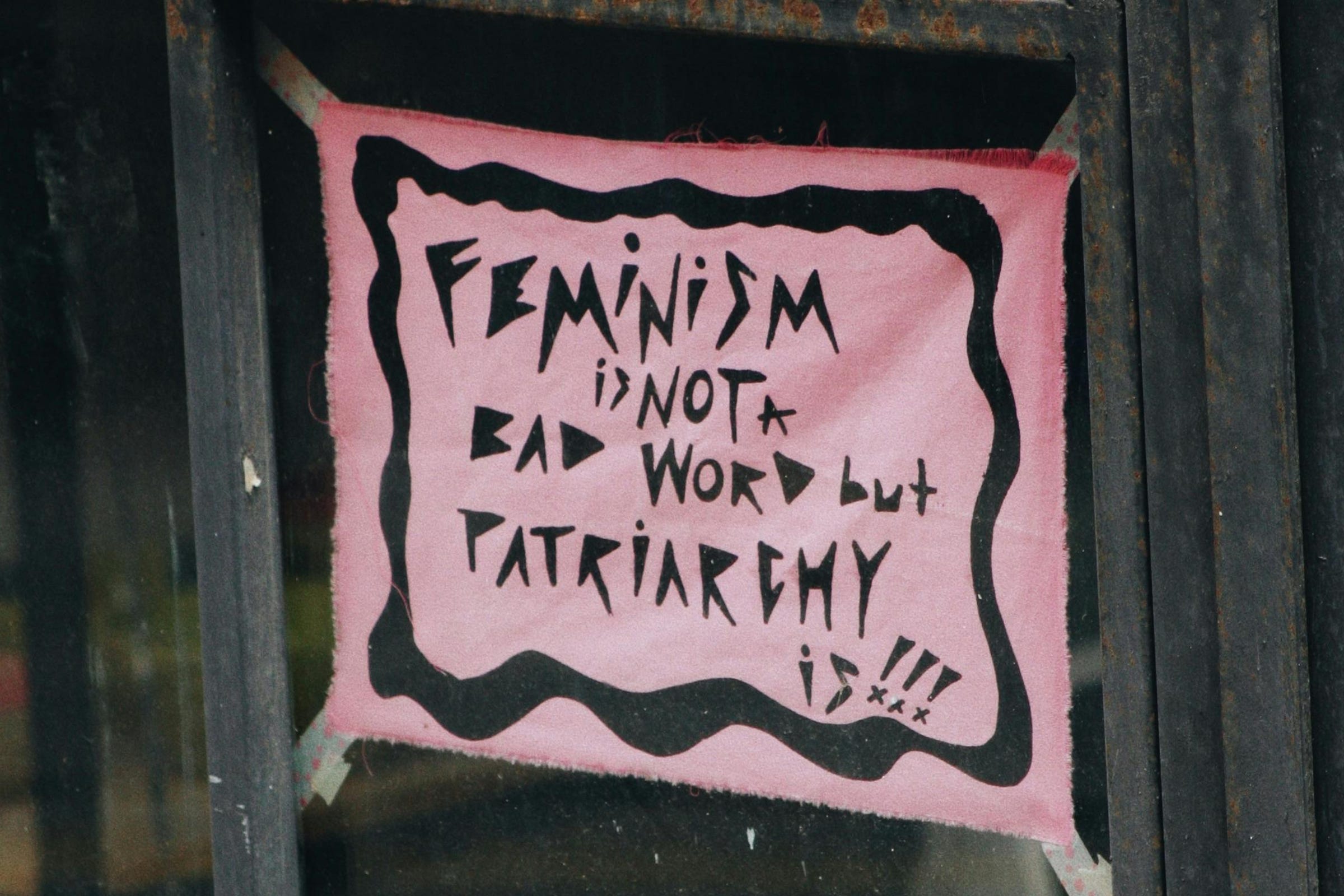
Be wary of the way you view and talk about women, and don’t let the patriarchal mindset dictate how you think a woman should act, dress, or be!
Resources to check out: Leaders in circularity, eco books, and podcasts to check out
💜 Leaders to follow
🇵🇭 Anya Lim is a co-founder of ANTHILL Fabric Gallery, a social and cultural enterprise that collaborates with Indigenous artisans through sustainable enterprise development, circular design, and capacity building to promote economic resilience and cultural preservation.
🇮🇩 Tiza Mafira initiated the paid plastic bag policy enforced in supermarkets throughout Indonesia and founded Indonesia’s “Plastic Bag Diet” movement to raise awareness of the harms of single-use plastic bags.
🇭🇰 Peggy Chan is an advocate for sustainable food systems and plant-based cuisine in Asia. As the founder of Zero Foodprint Asia and Grassroots Initiatives Consultancy, she has become a leading voice in organic sourcing, systems thinking design, and strategies that align food service with human and planetary health.
📖 Books
🍃 Women, Subalterns, and Ecologies in South and Southeast Asian Women’s Fiction (2021) by Chitra Sankaran
In recent decades, East Asia has overshadowed South and Southeast Asia, leading to the neglect of significant ecological issues in these regions. Chitra Sankaran refocuses the global lens by examining over thirty ecofictions by women writers from twelve countries, using ecofeminist and postcolonial theories to explore how these writers address global ecological threats and their impact on subdominant groups, particularly women.
👉 Get the book here.
🧚♀️ Where Did All the Fireflies Go? (2017) by Renee Juliene Karunungan
"The environmental crisis that the world is facing is not a lost cause. This book reminds us that we can still save the world! There is a Tonyo in each of us! Let us be a Tonyo to all the Ningning's around us! And, let us open our hearts and minds as soon as we close this book!” —AG Saño, Filipino artist and environmentalist
👉 Get the book here.
🍳 Provenance 譜珍譜法: Principles of plant-based cookery (2021) by Peggy Chan
Through 80+ plant-based recipes, Provenance explores the link between food, health, and climate change, featuring carbon emission comparisons, zero-waste principles, food security, local seasonal ingredients, and more. The recipes are enriched with personal stories from Peggy’s experience at her award-winning restaurants, Grassroots Pantry and Nectar, showcasing how climate-conscious practices can thrive in the food industry.
👉 Get the book here.
🎧 Podcasts
🎙️ The Shift Asia - Sustainability Stories
Hosted by Freda Liu, The Shift Asia is a podcast platform dedicated to discussing ideas and sharing success stories surrounding sustainability, ESG compliance, and the transformation required today in business practices.
✨ Listen and get inspired here.
♻️ ‘Kathrin Eitel on Recycling Infrastructures in Cambodia’
Kathrin Eitel discusses her book, “Recycling Infrastructures in Cambodia: Circularity, Waste, and Urban Life in Phnom Penh” (Routledge, 2022) which examines the circular flows of waste and urban life in Cambodia.
✨ Listen and get inspired here.
At SEArcularity, we believe that a circular economy is deeply connected to care, inclusivity, and women's rights.
By promoting sustainable resource use and offering women leadership opportunities and a source of livelihood rooted in care for nature, it has the potential to advance gender equality while fostering environmental sustainability.
Here’s to closing the gender gap and moving toward a circular economy where women, and thus, society and the environment as a whole, thrive together. 🪷
—Danna from SEArcularity